
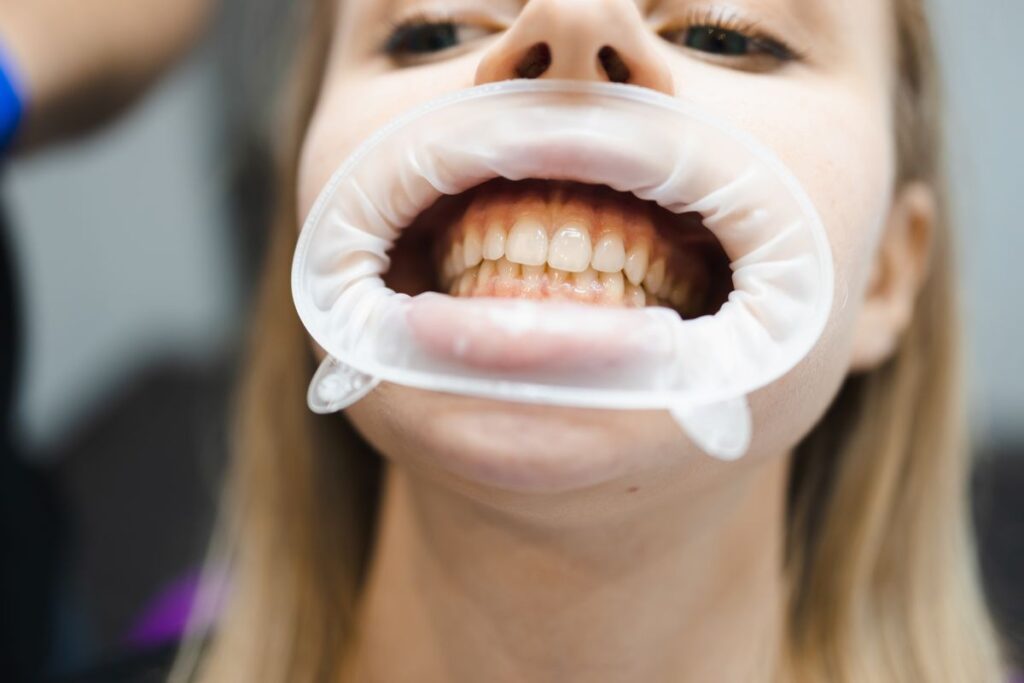
Quick answer: Early orthodontic treatment — also called interceptive orthodontics or Phase 1 treatment — is orthodontic care provided between roughly ages 6 and 10, while a child still has a mix of baby and permanent teeth. The goal is guiding jaw growth and creating space while development is still underway, rather than correcting a fully established problem later. Not every child needs it; many are simply monitored after an evaluation and begin treatment, if any, during the teen years instead.
This article is for general education and isn’t a substitute for an in-person orthodontic evaluation.
Many parents assume orthodontic treatment begins in the teenage years. While that timing is still common and appropriate for many children, it isn’t the only option. Early orthodontic treatment can address underlying growth and development issues before they become more complex, while comprehensive (teen) treatment remains the right choice for many others. Understanding the difference helps you make an informed decision at your child’s first evaluation.
What Is Early Orthodontic Treatment (Interceptive Orthodontics)?
Early orthodontic treatment, interceptive orthodontics, and Phase 1 treatment all refer to the same general approach: orthodontic care provided during the mixed dentition stage, typically between ages 6 and 10, while the jaw and facial bones are still actively growing. This makes it possible to guide development rather than correct problems after they’re fully established.
Unlike comprehensive treatment for teens, early treatment doesn’t always mean braces right away. Depending on what an evaluation finds, it may involve:
- A palatal expander, when the upper arch is narrower than it should be — see our guide on signs your child may need a palate expander for more detail
- A space maintainer, when a baby tooth is lost early and needs to be prevented from closing before the permanent tooth is ready to erupt
- A limited appliance or habit corrector, for a specific issue like a single misaligned tooth or a persistent thumb-sucking habit
- Simply monitoring, with a planned re-evaluation, when findings don’t yet warrant active treatment
Parents can learn more about our comprehensive treatment options on our Orthodontics page.
Early Treatment vs. Comprehensive (Teen) Treatment
| Early Treatment (Interceptive / Phase 1) | Comprehensive Treatment (Teen) | |
|---|---|---|
| Typical age | 6–10 years, during mixed dentition | Roughly 11.5–14 (girls) / 12–15 (boys), once most permanent teeth have erupted |
| What’s being addressed | Jaw growth, available space, and specific early-developing issues | Final tooth alignment and bite once growth and eruption are mostly complete |
| Common appliances | Palatal expanders, space maintainers, limited or habit appliances | Full braces or clear aligners (e.g., Invisalign) |
| Typical duration | Often 9–15 months for a focused interceptive phase | Varies widely based on complexity |
| Does it replace teen treatment? | Not necessarily — some children still need a shorter second phase later | N/A — this is often the only phase needed for milder cases |
Why Some Children Benefit From Early Evaluation
Not every child needs early orthodontic care, but certain signs suggest an evaluation is worthwhile: crowding, a visible crossbite, jaw growth that looks asymmetric or imbalanced, difficulty chewing, chronic mouth breathing, or a persistent thumb-sucking or pacifier habit affecting tooth position. Addressing concerns like these early can simplify treatment later and, for some children, reduce how extensive teen treatment needs to be.
If you’ve noticed a crossbite specifically, our guide on crossbite in children covers when evaluation — not necessarily immediate treatment — is appropriate.
Not Every Child Needs Early Treatment
An evaluation at age 7 doesn’t commit your child to treatment. According to the American Association of Orthodontists, this first visit is specifically about identifying whether a developing problem exists while there’s still time to address it effectively — many children are simply monitored at this stage, with treatment, if needed at all, beginning later during the teen years instead.
The Case for Waiting Until the Teen Years
Comprehensive treatment during adolescence remains appropriate for many patients. By this stage, most permanent teeth have erupted, making it possible to fully align the teeth and finalize the bite in a single phase. Teen treatment tends to be the better starting point when jaw growth is balanced, crowding or alignment issues are mild to moderate, and no significant airway or developmental concerns are present. Parents considering clear aligners can read more about Invisalign for teens.
How Orthodontic Timing Connects to Jaw and Airway Development
Orthodontic care involves more than straightening teeth — jaw position and facial growth are connected to breathing patterns as well. Research on early orthodontic intervention has found that specific interceptive treatments, such as early correction of posterior crossbites or certain Class III growth patterns, can produce measurable dental and skeletal improvements when timed appropriately, and may reduce the likelihood of needing more invasive correction later. Children who mouth breathe, snore, or show other signs of airway restriction may be among those for whom this connection is particularly relevant. Learn more on our Airway Health page.
Choosing the Right Approach for Your Child
The best way to determine whether early treatment is appropriate is a professional evaluation. An orthodontist can assess growth patterns, bite development, and airway function to recommend the most effective timing. At Phelps & Cohen Orthodontics, treatment planning is individualized — some children benefit from early intervention, while others are best served by monitoring and starting treatment later. Explore our locations to schedule an evaluation.
Frequently Asked Questions
What age should a child first see an orthodontist?
The American Association of Orthodontists recommends a first evaluation by age 7. This doesn’t mean treatment starts immediately — it allows an orthodontist to identify early signs of jaw growth or bite issues while there’s still time to address them effectively, or to simply monitor if nothing needs attention yet.
Does early orthodontic treatment mean my child will need braces twice?
Not necessarily. Some children complete a single phase of treatment during the early years and need little or no further correction. Others benefit from a shorter, simpler second phase during the teen years than they would have needed without early intervention.
Is early orthodontic treatment more expensive than waiting?
Not always. Addressing a developing issue early can sometimes reduce the complexity — and cost — of treatment later, though this varies by case. Our team discusses treatment options and financial planning during consultations.
Can orthodontic treatment help with breathing or airway issues?
Jaw development and airway space are connected, and early treatment that guides jaw growth may be relevant for children who mouth breathe, snore, or show signs of airway restriction. This connection is discussed further during an evaluation and on our Airway Health page.
What happens if my child doesn’t need early treatment?
If early treatment isn’t necessary, we recommend periodic monitoring to track growth and determine the right time to begin treatment later, if any is needed at all.
How do I know whether early or teen treatment is right for my child?
A professional orthodontic evaluation is the only reliable way to know. An orthodontist assesses dental development, jaw growth, bite alignment, and airway factors together to recommend the most appropriate timing for your child specifically.
Getting Started
If you’re wondering whether your child could benefit from an early evaluation, scheduling a visit around age 7 gives you and your orthodontist the most options, whether that means starting treatment now or simply monitoring growth. Schedule an evaluation at one of our San Jose or Los Gatos locations.
References
- American Association of Orthodontists. The Milestone Visit: Why Age 7 Is the Best Age for Orthodontic Treatment. https://aaoinfo.org/whats-trending/when-should-my-child-see-an-orthodontist-age-7/
- Very early orthodontic treatment: when, why and how? PMC, National Library of Medicine. https://pmc.ncbi.nlm.nih.gov/articles/PMC9191856/