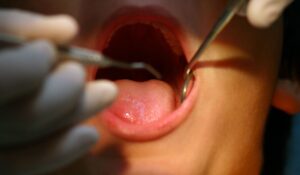

Hearing that your child might need a palate expander can raise an immediate question: is this actually necessary, or is it something that could wait, or be skipped altogether? There’s no single symptom that definitively means your child needs one, but several patterns, especially when they show up together, are a strong signal that an evaluation is worth scheduling.
Is a Palate Expander Really Necessary?
Not every narrow jaw needs correction, and not every crossbite requires expansion right away. What matters is whether the underlying issue is likely to cause problems if left alone, such as significant crowding, a functional crossbite that shifts the bite to one side, or an airway concern tied to a narrow nasal passage. A palate expander is recommended when the benefit of correcting the width clearly outweighs simply monitoring and waiting. For a full explanation of what the appliance does and how it works, see our guide to palate expanders for kids.
Signs Your Child May Need a Palate Expander
- A visible crossbite, where the upper teeth sit inside the lower teeth instead of outside. This is one of the clearest individual indicators, and it’s typically addressed as early as possible since crossbites can affect jaw growth if left untreated.
- Crowded, overlapping, or crooked permanent teeth coming in, which often points to a lack of room in the upper arch.
- A narrow, high, or “V-shaped” upper arch. A healthy arch tends to be broad and U-shaped; a noticeably narrow or pointed one is worth mentioning at an evaluation, and it’s sometimes visible just by looking at your child’s smile.
- Mouth breathing or snoring, especially during sleep, which can be connected to a narrow nasal passage sitting above a narrow palate.
- Difficulty chewing or speech difficulties, which can sometimes trace back to a narrow upper jaw rather than a purely dental cause.
- An unusual timeline for losing baby teeth, either notably early or late, which can signal spacing issues developing underneath.
- Asymmetric jaw shifting when biting down, which can indicate the jaw is compensating for a width mismatch.
- Your dentist mentions a palate or spacing concern at a routine checkup, even if nothing looks obviously wrong to you.
None of these guarantee an expander is needed on their own; a crossbite is the closest thing to a clear-cut indicator by itself. The rest are reasons to get an evaluation with imaging rather than a diagnosis on their own.
What If We Just Wait?
Sometimes waiting is the right call, particularly if a child is very young and there’s time to monitor how things develop naturally. The tradeoff is that the ideal window for expansion, while the palate’s midpalatal suture is still very responsive, is limited. Waiting too long can mean a tooth-borne expander is no longer effective enough on its own, requiring a bone-anchored MARPE instead. Our guide to MARPE vs. traditional expanders explains that tradeoff in more detail.
How Kids Adjust to Wearing One
Most kids adjust within the first one to two weeks. Helping your child understand what to expect ahead of time, rather than being surprised by it, tends to make that first week go more smoothly. For what discomfort actually feels like and how to manage it, see our guide on whether a palate expander hurts. For the fuller day-to-day and cost picture, see our guide to palate expander cost and what to expect.
What an Evaluation Actually Involves
A proper evaluation goes beyond a visual look at the teeth. CBCT 3D imaging gives a full picture of jaw width, airway space, and how the teeth and bite relate to each other, which is a more reliable basis for a recommendation than age or appearance alone. This is also where we’ll walk through the reasoning behind a recommendation, not just hand you a conclusion.
One Thing That Surprises Parents
As expansion progresses, a small gap sometimes appears between the two upper front teeth. It can look alarming the first time you notice it, but it’s actually a good sign: it means the suture is separating exactly as intended. That gap typically closes on its own, or is corrected once braces or aligners follow.
Frequently Asked Questions
Is a palate expander always necessary for a crossbite?
Not always. Some crossbites are mild enough to monitor, while others, particularly ones causing the jaw to shift, are more clearly indicated for correction. An evaluation with imaging is the best way to know which applies to your child.
What happens if we skip a recommended expander?
The specific risk depends on the case, but it can mean more complex treatment later, a narrower window for non-surgical correction, or a crossbite and its effects becoming more established over time.
How do I help my child get used to a palate expander?
Explain what to expect before it’s placed, keep the first few days to softer foods, and stay consistent with daily activations. Most kids adjust within one to two weeks.
Can a narrow palate affect more than just teeth?
Yes. Since the palate forms part of the floor of the nasal cavity, a narrow palate can also affect nasal breathing, which is why airway symptoms are sometimes part of the conversation around expansion.
At what age should we get an evaluation?
The American Association of Orthodontists recommends a first evaluation by age 7, which gives enough time to monitor or act while the palate is still highly responsive to treatment.
Schedule a growth and development evaluation to find out whether your child’s case calls for a palate expander, or whether monitoring is the better plan for now.