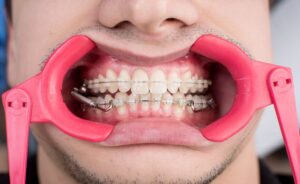
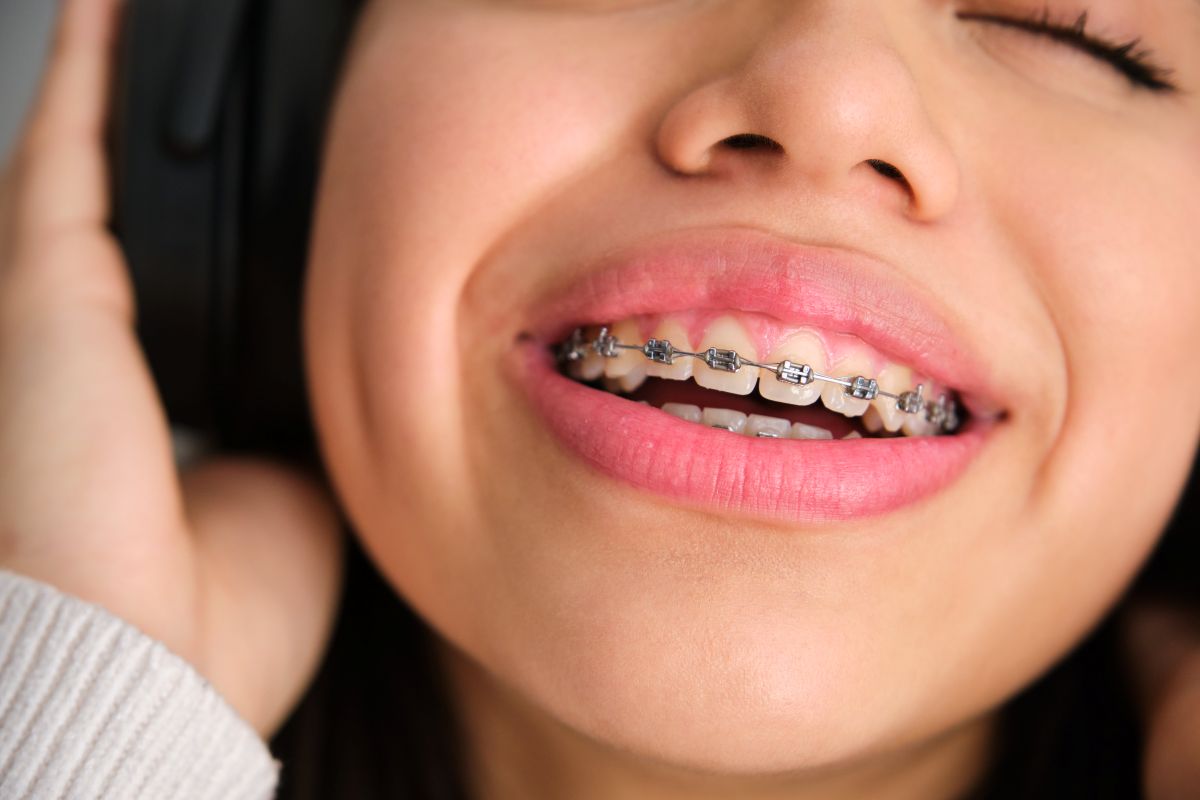
When most people think about orthodontic treatment, they think about straighter teeth and a more confident smile. While those benefits are important, orthodontic care can influence much more than appearance alone. Proper orthodontic treatment can support jaw alignment, breathing, facial balance, and long-term oral health for both children and adults.
Understanding how orthodontics affects the entire oral and facial system helps patients and parents make more informed decisions about treatment timing and approach.
Orthodontics and Bite Alignment
Orthodontic treatment is designed to correct how the upper and lower teeth fit together. When the bite is misaligned, it can place uneven pressure on teeth, muscles, and joints, leading to discomfort and functional issues over time.
Correcting bite alignment can help:
- Improve chewing efficiency
- Reduce uneven tooth wear
- Support balanced jaw movement
- Decrease strain on the jaw joints
These functional improvements often go unnoticed at first but play a critical role in long-term comfort and oral health.
To learn more about comprehensive orthodontic care, visit our Orthodontics page:
https://phelpscohenortho.com/orthodontics/
How Orthodontics Can Support Airway Health
Jaw position and dental arch width play an important role in breathing. Narrow arches or improper jaw development can limit space for the tongue, potentially contributing to mouth breathing and disrupted sleep.
Orthodontic treatment, especially when guided during growth, may help:
- Create more space within the dental arches
- Encourage proper tongue posture
- Support nasal breathing
- Promote balanced facial development
This connection is why orthodontic care is often closely aligned with airway-focused treatment planning.
You can explore this relationship further on our Airway Health page:
https://phelpscohenortho.com/airway-health/
The Role of Early Orthodontic Treatment
In children, orthodontics is not just about moving teeth but about guiding growth. Early orthodontic treatment can help address jaw imbalances and spacing concerns before they become more complex later.
By intervening at the right time, orthodontists may reduce the need for more extensive treatment during the teenage years and support healthier facial and airway development.
Parents can learn more about early orthodontic care here:
https://phelpscohenortho.com/early-orthodontic-treatment/
Orthodontics and Jaw Comfort
Jaw discomfort, clicking, or tension can sometimes be linked to bite alignment and jaw positioning. When the teeth do not fit together properly, the jaw joints may be forced to compensate, which can contribute to muscle fatigue or discomfort.
Orthodontic treatment may play a role in improving jaw balance and reducing strain by:
- Aligning the bite more evenly
- Supporting natural jaw movement
- Reducing uneven pressure on the jaw joints
For patients experiencing jaw pain or related symptoms, orthodontic alignment may be one part of a broader care approach.
Learn more about jaw-focused care on our TMJ Therapy page:
https://phelpscohenortho.com/tmj-therapy/
Invisalign, Braces, and Whole-Health Orthodontics
Both Invisalign and traditional braces can be used to support functional orthodontic goals when treatment is carefully planned. The right option depends on age, growth patterns, bite complexity, and patient compliance.
Some patients benefit from phased treatment that begins with early intervention and later transitions into Invisalign or braces during adolescence.
Parents comparing treatment options can explore the differences here:
https://phelpscohenortho.com/invisalign-vs-braces/
For those considering clear aligners specifically, more information is available here:
https://phelpscohenortho.com/invisalign-in-san-jose/
A Comprehensive Approach to Orthodontic Care
Orthodontic treatment is most effective when it considers the entire oral and facial system, not just tooth alignment. By addressing bite function, jaw position, and airway considerations, orthodontic care can support long-term health, comfort, and confidence.
At Phelps & Cohen Orthodontics, treatment planning is individualized to ensure each patient receives care that aligns with their unique needs and development.
Families interested in scheduling an evaluation can explore office locations here:
https://phelpscohenortho.com/locations/
Frequently Asked Questions About Orthodontic Treatment and Whole Health
Can orthodontic treatment really affect more than just my teeth?
Yes. Orthodontic treatment influences how the teeth, jaws, muscles, and airway work together. Proper alignment can support balanced jaw movement, reduce strain on muscles and joints, and contribute to healthier breathing patterns. That is why orthodontic care is often part of a more comprehensive approach to oral and facial health, not just cosmetic improvement.
How does orthodontic treatment support airway health?
Jaw position and dental arch width affect how much space the tongue has at rest. When arches are narrow or jaws are underdeveloped, the tongue may fall back into the airway, contributing to mouth breathing or disrupted sleep. Orthodontic treatment may help create space and support healthier breathing patterns.
Learn more about the orthodontics airway connection here:
https://phelpscohenortho.com/airway-health/
Is early orthodontic treatment better for airway and jaw development?
In some cases, yes. Early orthodontic treatment allows orthodontists to guide jaw growth during key developmental years. This can support facial balance, create space for permanent teeth, and reduce the severity of airway or bite-related concerns later.
Parents can explore early orthodontic care here:
https://phelpscohenortho.com/early-orthodontic-treatment/
Can orthodontics help with jaw pain or TMJ symptoms?
Orthodontic treatment may help improve bite alignment and jaw balance, which can reduce strain on the jaw joints and surrounding muscles. While orthodontics is not always the sole solution for TMJ symptoms, it can play an important role as part of a comprehensive care plan.
More information on jaw-focused treatment is available here:
https://phelpscohenortho.com/tmj-therapy/
Does Invisalign offer the same functional benefits as braces?
Both Invisalign and braces can support functional orthodontic goals when treatment is carefully planned. Braces may be preferred for more complex bite or jaw concerns, while Invisalign can be effective for mild to moderate alignment issues in responsible teens and adults.
Parents comparing options can learn more here:
https://phelpscohenortho.com/invisalign-vs-braces/
How do I know if orthodontic treatment should focus on function or appearance?
Orthodontic treatment should always consider both. A comprehensive evaluation looks at tooth alignment, bite function, jaw position, growth patterns, and airway considerations. From there, a personalized plan can be created that supports long-term health as well as a confident smile.
Families interested in an orthodontic evaluation can find office locations here:
https://phelpscohenortho.com/locations/