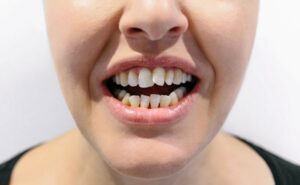

Most people never think twice about how they breathe—but the difference between breathing through your nose and breathing through your mouth can have a major impact on your health. At Phelps & Cohen Orthodontics, we regularly see patients from San Jose and Los Gatos whose dental and airway issues are directly connected to chronic mouth breathing.
Whether you’re a parent concerned about your child’s development or an adult dealing with poor sleep, understanding the role of nasal breathing is critical. The way you breathe affects everything from jaw growth and tooth alignment to sleep quality and long-term wellness.
What Is the Difference Between Mouth Breathing and Nasal Breathing?
Nasal breathing is the body’s natural and ideal way to take in air. The nose acts as a built-in filtration system, removing dust, allergens, and bacteria before air reaches the lungs. It also warms and humidifies the air, making it easier for the body to absorb oxygen efficiently.
Mouth breathing, on the other hand, bypasses all of these important processes. Air enters the body unfiltered and unregulated, which can lead to inflammation, dryness, and reduced oxygen efficiency over time. While occasional mouth breathing is normal—such as during exercise or illness—chronic mouth breathing can lead to a range of health and developmental issues.
Why Is Nasal Breathing So Important?
Nasal breathing supports proper oxygen exchange and helps regulate the balance of oxygen and carbon dioxide in the body. This balance is essential for energy levels, brain function, and overall health.
For children, nasal breathing plays an even more important role. It helps guide proper tongue posture, which directly influences how the upper jaw develops. When the tongue rests against the roof of the mouth—as it should during nasal breathing—it encourages wider, healthier jaw growth.
Without this support, the jaw can develop too narrowly, leading to crowding, bite issues, and airway restriction.
What Causes Mouth Breathing?
Mouth breathing is often a symptom of an underlying issue rather than the root problem itself. Some of the most common causes include chronic nasal congestion due to allergies, enlarged tonsils or adenoids, and structural issues like a deviated septum.
Another often-overlooked cause is underdeveloped jaw structure. When the upper jaw is too narrow, it can restrict nasal airflow, making it more difficult to breathe through the nose. This is where orthodontics plays a key role—not just in straightening teeth, but in improving airway function.
Signs of Mouth Breathing in Children and Adults
Many parents in San Jose and Los Gatos don’t realize their child is mouth breathing because it often happens during sleep. However, there are several signs to watch for:
- Sleeping with the mouth open
- Snoring or restless sleep
- Dark circles under the eyes
- Daytime fatigue or difficulty focusing
- Dry mouth or bad breath
- Crowded or narrow teeth
Adults may also experience symptoms such as chronic fatigue, headaches, or poor sleep quality, all of which can be linked to airway issues.
How Mouth Breathing Affects Teeth and Facial Development
One of the biggest concerns with chronic mouth breathing is its impact on facial growth. When the mouth remains open, the tongue drops to the floor of the mouth instead of resting against the palate. This removes the natural pressure needed to develop a wide, properly formed upper jaw.
Over time, this can lead to a narrower dental arch, crowded or crooked teeth, and bite misalignment. In some cases, it can also contribute to a longer, more narrow facial appearance.
These changes don’t just affect appearance—they can also reduce airway space, creating a cycle that reinforces breathing problems.
Can Orthodontics Help with Mouth Breathing?
Yes—modern orthodontics can play a critical role in improving airway health. At Phelps & Cohen Orthodontics, we evaluate more than just tooth alignment. We look at how the jaws, airway, and breathing patterns all work together.
One of the most effective treatments is palatal expansion, which gently widens the upper jaw. This creates more space not only for teeth, but also for the nasal airway, making it easier to breathe through the nose.
We may also recommend early orthodontic treatment to guide proper growth and development. You can learn more here: Early Orthodontic Treatment
Why Early Treatment Matters
Addressing airway issues early can make a significant difference in a child’s development. Early intervention can reduce the need for extractions, improve sleep quality, and support better overall health.
If you’re unsure whether your child may have an airway issue, this resource can help: Signs Your Child May Have an Airway Issue
When Should You See an Orthodontist?
The American Association of Orthodontists recommends children have their first evaluation by age 7. However, it’s never too late for adults to benefit from airway-focused care.
If you or your child experience symptoms like mouth breathing, snoring, or crowded teeth, an evaluation can help identify the underlying cause and the best path forward.
Airway-Focused Orthodontics in San Jose and Los Gatos
At Phelps & Cohen Orthodontics, we take a comprehensive approach to treatment. By addressing both alignment and airway health, we help patients achieve not only straighter smiles, but better overall wellness.
We proudly serve families throughout San Jose, Los Gatos, and surrounding communities.
Schedule a Consultation
If you’re concerned about mouth breathing or airway issues, early evaluation can make a lasting difference.
Schedule your consultation today
Frequently Asked Questions
Is mouth breathing bad for children?
Yes. Chronic mouth breathing can affect facial growth, sleep quality, and dental development. Over time, it can lead to crowding, bite issues, and reduced airway space if not addressed.
Can orthodontics fix mouth breathing?
Orthodontics can help address structural causes of mouth breathing, such as a narrow jaw. Treatments like palatal expansion can improve airflow and support nasal breathing.
What is the best way to correct mouth breathing?
The best approach depends on the cause. Treatment may involve orthodontics, ENT evaluation, or myofunctional therapy to retrain proper breathing patterns.
Can adults benefit from airway orthodontics?
Yes. Many adults experience improved sleep, breathing, and overall health after treatment, especially when airway issues are addressed alongside alignment.