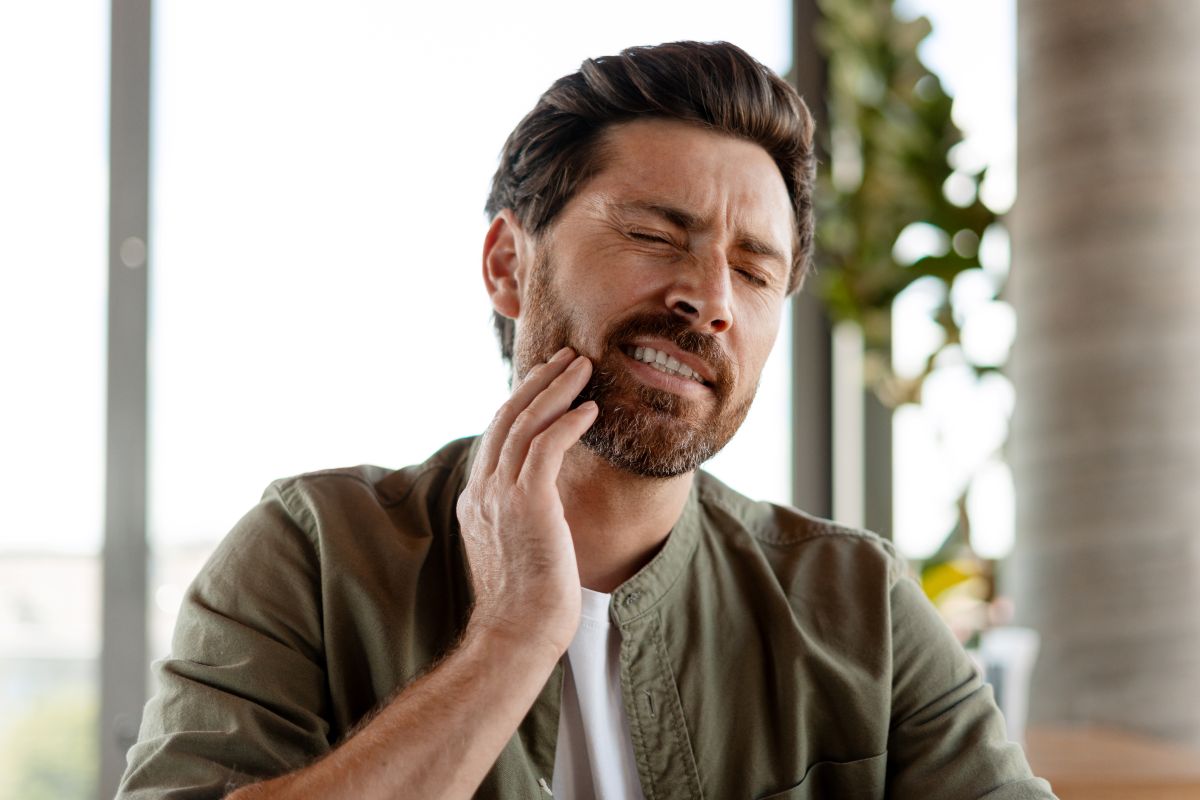
Jaw pain is often dismissed as stress, teeth grinding, or a temporary annoyance. But when discomfort becomes persistent, it may be a sign of a temporomandibular joint (TMJ) issue. TMJ disorders affect the joints and muscles that control jaw movement, and symptoms can extend far beyond the jaw itself.
Understanding the signs of TMJ issues and knowing when to seek care can help prevent long-term discomfort and functional problems.
What Is TMJ and Why It Matters
The temporomandibular joints connect the jaw to the skull and allow for everyday movements like chewing, speaking, and yawning. When these joints or the surrounding muscles are not functioning properly, it can lead to a group of conditions commonly referred to as TMJ disorders.
TMJ issues can be influenced by bite alignment, jaw position, muscle strain, and even breathing patterns. Because the jaw is part of a complex system, symptoms are not always isolated to one area.
Learn more about comprehensive jaw-focused care here:
https://phelpscohenortho.com/tmj-therapy/
Common TMJ Symptoms People Often Overlook
TMJ symptoms vary widely and can be easy to misinterpret. Some of the most common signs include:
- Jaw pain or tenderness
- Clicking, popping, or grinding sounds when opening or closing the mouth
- Difficulty or discomfort when chewing
- Limited jaw movement or locking
- Headaches or facial pain
- Neck and shoulder tension
- Ear pain or a feeling of fullness without infection
Symptoms may come and go, which is why many people delay evaluation until discomfort becomes more severe.
How Bite Alignment and Orthodontics Affect TMJ Health
The way the teeth fit together plays a major role in jaw function. When the bite is misaligned, the jaw joints may compensate by shifting position, which can increase strain on the muscles and joints over time.
Orthodontic treatment may help support TMJ health by:
- Improving bite balance
- Reducing uneven pressure on the jaw joints
- Supporting more natural jaw movement
For some patients, orthodontic alignment is an important part of a broader TMJ care plan.
Learn more about orthodontic treatment options here:
https://phelpscohenortho.com/orthodontics/
The Connection Between TMJ and Airway Health
TMJ issues are sometimes linked to airway concerns. Jaw position and tongue posture can influence both breathing and joint function. In some cases, airway restriction or mouth breathing may contribute to jaw tension or altered jaw positioning.
This connection is why TMJ care is often evaluated alongside airway and orthodontic considerations rather than in isolation.
Explore the orthodontics-airway relationship here:
https://phelpscohenortho.com/airway-health/
When Jaw Pain Signals It Is Time to Seek Treatment
Occasional jaw discomfort may resolve on its own, but persistent or worsening symptoms should not be ignored. It may be time to seek a TMJ evaluation if you experience:
- Ongoing jaw pain or stiffness
- Frequent headaches linked to jaw movement
- Clicking or popping paired with discomfort
- Difficulty opening or closing your mouth
Early evaluation can help identify contributing factors and guide appropriate care before symptoms become more disruptive.
Patients seeking local care can find office locations here:
https://phelpscohenortho.com/locations/
A Comprehensive Approach to TMJ Therapy
TMJ therapy focuses on identifying the underlying causes of jaw discomfort rather than simply masking symptoms. Treatment planning may involve evaluating bite alignment, jaw movement, muscle function, and airway considerations to create a personalized approach.
At Phelps & Cohen Orthodontics, TMJ therapy is approached as part of a comprehensive oral and facial health plan.
Learn more about TMJ-focused care here:
https://phelpscohenortho.com/tmj-therapy/
Frequently Asked Questions About TMJ Disorders and Jaw Pain
How do I know if my jaw pain is TMJ related or something else?
TMJ-related jaw pain is often associated with movement. If discomfort increases when chewing, yawning, or opening and closing your mouth, TMJ may be a contributing factor. Clicking or popping sounds, stiffness, or pain that radiates to the ears, head, or neck are also common TMJ indicators. A proper evaluation is the best way to determine the cause.
Learn more about TMJ evaluations and care here:
https://phelpscohenortho.com/tmj-therapy/
Can TMJ symptoms come and go?
Yes. TMJ symptoms often fluctuate, which is why many people delay seeking care. Stress, clenching, poor posture, or changes in bite pressure can cause symptoms to worsen temporarily. Even if pain subsides, underlying issues may still be present and can progress over time.
Can orthodontic treatment help prevent or improve TMJ issues?
In some cases, yes. When TMJ symptoms are influenced by bite imbalance or jaw positioning, orthodontic treatment may help improve alignment and reduce strain on the jaw joints. Orthodontics is not always the sole solution, but it can be an important part of a comprehensive TMJ care plan.
You can explore orthodontic treatment options here:
https://phelpscohenortho.com/orthodontics/
Is TMJ related to teeth grinding or clenching?
Teeth grinding and clenching can contribute to TMJ discomfort by placing excessive strain on the jaw joints and muscles. These habits are often associated with stress or sleep-related issues and may occur without a person realizing it. Identifying and addressing contributing factors is key to managing TMJ symptoms effectively.
Can airway or breathing issues affect TMJ health?
Yes. Jaw position, tongue posture, and breathing patterns are closely connected. Airway restrictions or mouth breathing can influence how the jaw rests and functions, potentially increasing muscle tension or joint strain. This is why TMJ evaluations often consider airway health as part of the overall picture.
Learn more about the airway-jaw connection here:
https://phelpscohenortho.com/airway-health/
When should I schedule a TMJ evaluation?
You should consider scheduling an evaluation if jaw pain, clicking, or stiffness is persistent, worsening, or interfering with daily activities such as eating or speaking. Early assessment can help identify contributing factors and guide appropriate care before symptoms become more severe.
Patients can find office locations here:
https://phelpscohenortho.com/locations/